
New York Traffic Ticket Records
New York traffic ticket records are kept by local courts and the Department of Motor Vehicles across the state. You can search for traffic ticket records online through the DMV or by reaching out to the court listed on your ticket. The state has 62 counties, and most traffic cases go through nearly 1,200 town and village Justice Courts plus dozens of city courts. In New York City, the DMV Traffic Violations Bureau handles all non-criminal moving violations. Whether you need to check a fine, look up points, or find a court date, the tools and records are spread across several state and local systems that work together to track every traffic ticket issued in New York.
New York Traffic Ticket Records Overview
Where New York Traffic Ticket Records Are Kept
Traffic ticket records in New York are split between two systems. Outside New York City, tickets go to the local Justice Court or city court in the town, village, or city where the stop took place. Inside NYC, the DMV Traffic Violations Bureau handles all non-criminal moving violations for Manhattan, Brooklyn, the Bronx, Queens, and Staten Island. The TVB does not handle parking tickets, red light camera tickets, speed camera tickets, or criminal charges like DWI.
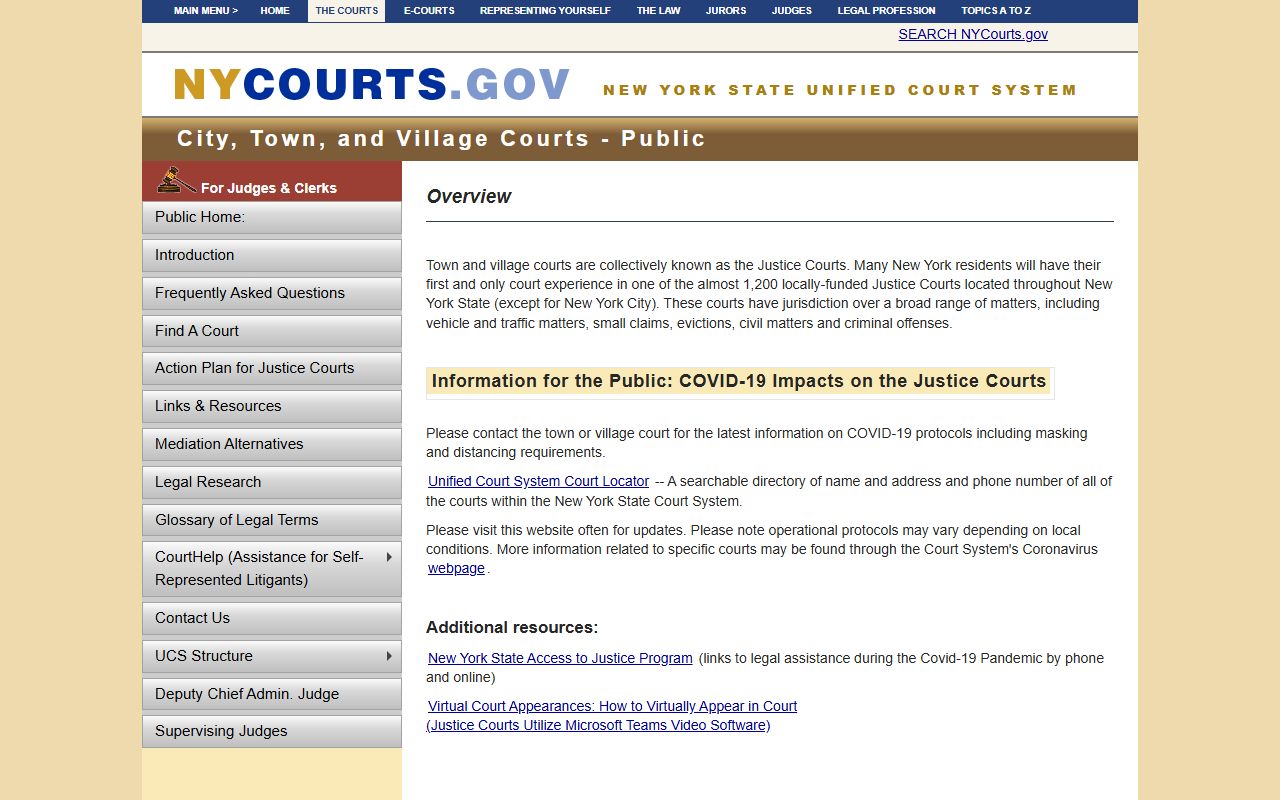
The state has close to 1,200 locally funded Justice Courts spread across towns and villages. These courts have power over vehicle and traffic cases, small claims, and misdemeanor offenses. Each court keeps its own records of every ticket filed there. The New York State Unified Court System ties all of these courts together under one structure, but each court runs on its own schedule with its own clerk. If you got a ticket in a small town, that town court holds your traffic ticket records.
The DMV also keeps a record of every conviction on your driving abstract. Points from traffic tickets show up on that record. You can order your own abstract through MyDMV for $7 online or $10 at a DMV office. Three types are available: standard, lifetime, and commercial CDL records.
How to Search Traffic Ticket Records in New York
The first step is to find which court has your case. The court name and address are printed on the ticket itself. If you lost the ticket, you can view it online through your MyDMV account. The New York State court locator can also help you find the name, address, and phone number of any court in the state. You can search for county courts, city courts, and town or village courts through the Unified Court System.
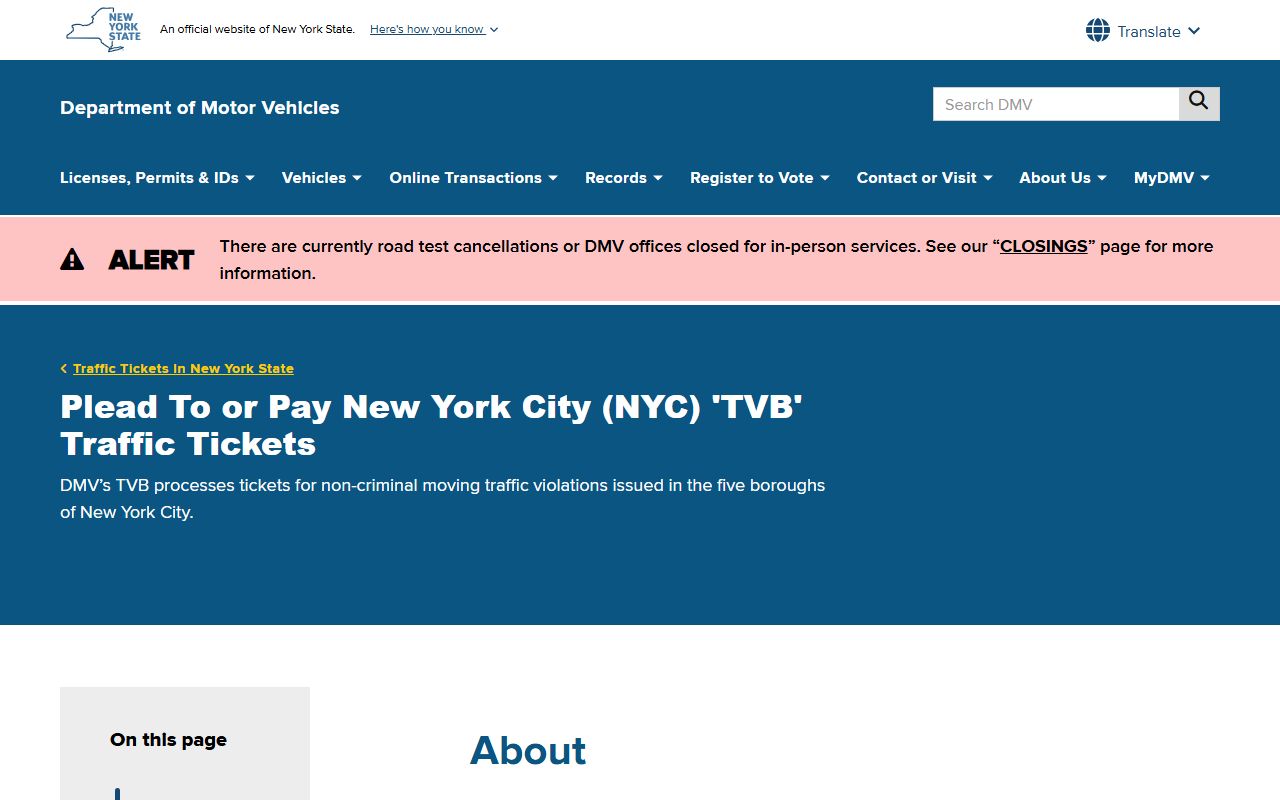
For tickets in New York City, you use the DMV's online system to plead or pay TVB tickets. You need your full name, ZIP code, ticket number, violation date, and date of birth. If you have more than one ticket or owe extra fees, log into MyDMV with your NY.gov ID. TVB offices do not take walk-in visits. You must have a scheduled hearing or make a reservation first.
Outside NYC, the process depends on the court. Many town and village courts now accept online payments through services like nCourt or PayCourtOnline. Some let you plead guilty by mail. Others require you to show up in person. Always check the back of your ticket for instructions. If you fail to respond within 60 days, the court will tell the DMV to suspend your license.
New York Traffic Ticket Records and the Point System
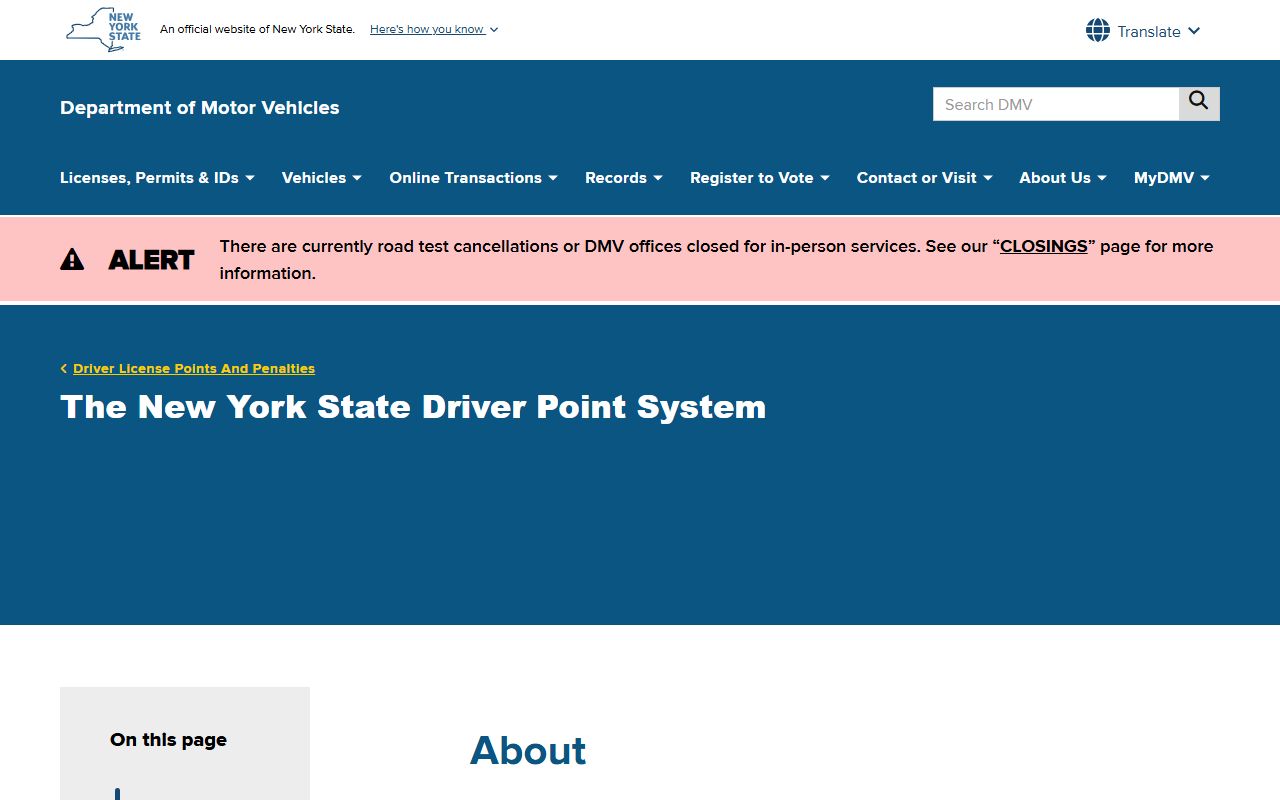
Every traffic conviction in New York adds points to your driving record. The DMV uses the Driver Point System to spot high-risk drivers. If you get 11 or more points in 18 months, your license can be suspended. Points are based on the violation date, not the conviction date. Once 18 months pass from the violation, those points stop counting toward your total.
Common point values from New York traffic ticket records include:
- Speeding 1 to 10 mph over the limit: 3 points
- Speeding 21 to 30 mph over the limit: 6 points
- Speeding over 40 mph above the limit: 11 points
- Reckless driving: 5 points
- Cell phone use while driving: 5 points
- Texting while driving: 5 points
- Running a red light: 3 points
A Driver Responsibility Assessment kicks in when you hit 6 or more points in 18 months. The fee is $300 paid all at once or $100 a year for three years. Each point over six costs an extra $25 per year for three years. If you do not pay the assessment, your license gets suspended. Taking a DMV-approved accident prevention course can subtract up to 4 points for suspension purposes, though the tickets stay on your record.
Traffic Ticket Fines in New York
Fines for New York traffic ticket records depend on the type of violation and how many times you have been convicted. Under Vehicle and Traffic Law Section 1800, a first conviction for a standard traffic infraction carries a fine of up to $150. A second violation within 18 months jumps to $300. A third or later violation in the same window can reach $450. Jail time of up to 15, 45, or 90 days is also possible depending on the number of offenses.
Speeding fines follow their own scale under VTL Section 1180. Going 1 to 10 mph over the limit means a fine of $45 to $150. Exceed the limit by 11 to 30 mph and the fine ranges from $90 to $300 with up to 15 days in jail. Over 30 mph carries $180 to $600 in fines or up to 30 days in jail. In school zones, all of these fines double. A mandatory surcharge gets added on top of every fine as well.
Red light violations outside NYC have their own schedule. The first conviction brings a fine of $75 to $225. A second offense within 18 months is $150 to $375. A third offense reaches $375 to $675. Under VTL Section 1111-A, New York City runs a red light camera program at up to 600 intersections, where the vehicle owner gets a monetary penalty instead of points.
License Suspensions and Traffic Ticket Records
Your traffic ticket records directly affect your license status. The DMV can suspend or revoke your license based on convictions, unpaid fines, or failure to answer a ticket. A suspension is temporary. A revocation means your license is canceled and you must apply for a new one after the revocation period ends.
Failing to answer a traffic ticket is one of the most common reasons for an indefinite suspension. The CourtHelp system notes that if you do not respond within 60 days, fail to show up for trial, or do not pay your fine by the due date, the court tells the DMV to suspend your license and registration. Starting in 2009, a $70 fee per ticket is added when your license gets suspended for not answering. It is a crime to drive on a suspended license in New York.
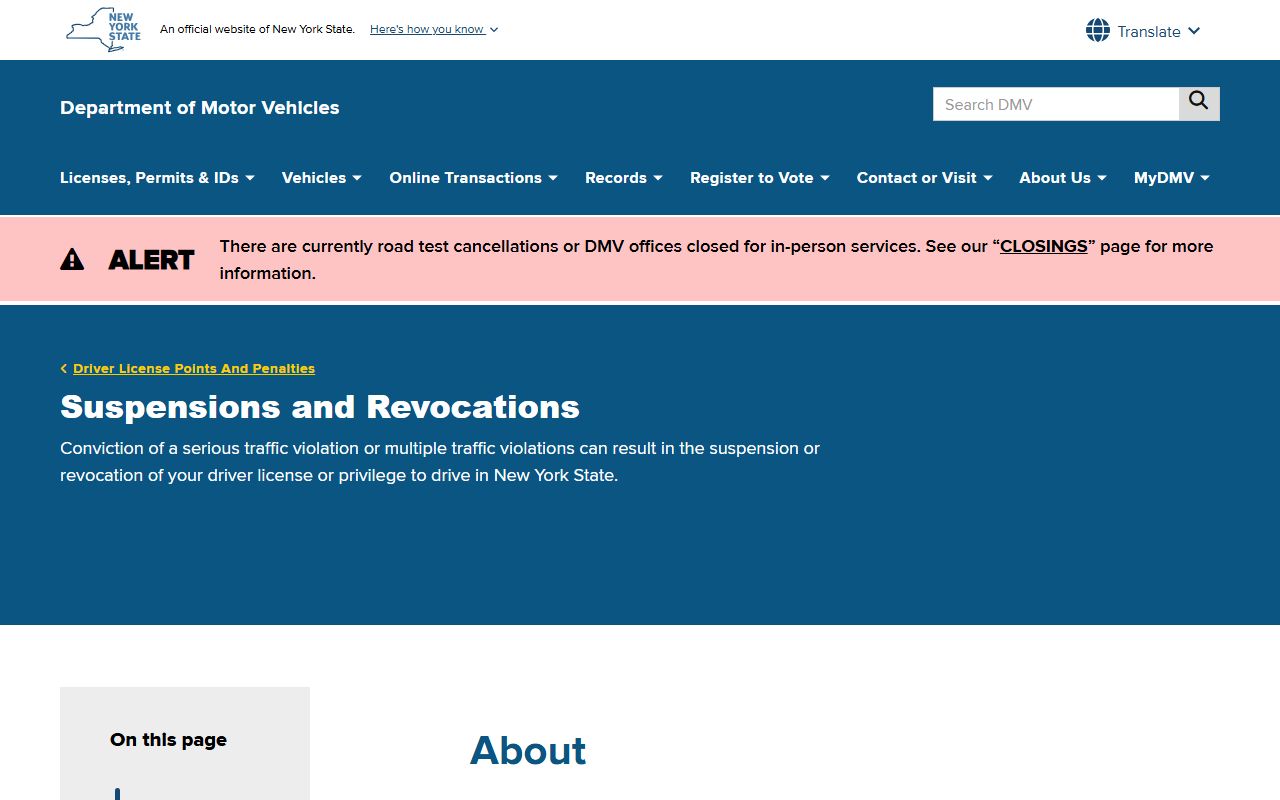
Other reasons for suspension include too many points, no insurance, an alcohol or drug conviction, or unpaid child support. The suspension can be definite (with start and end dates) or indefinite (lasting until you take the required action). You may need to pay a suspension termination fee to get your license back.
NYC Traffic Violations Bureau and Traffic Ticket Records
The Traffic Violations Bureau is unique to New York City. It handles non-criminal moving violations in all five boroughs so that criminal courts can focus on serious cases. A DMV Administrative Law Judge hears each case. These judges are trained lawyers with authority to find you guilty, set fines, and take action on your license. At a TVB hearing, you can testify, bring witnesses, and present evidence. You may also hire a lawyer to speak for you.
You do not have to go to the TVB office in person. You can schedule your hearing online and submit a Statement in Place of Personal Appearance. The judge holds the hearing and sends the decision by email. If you want to attend, you can go in person or join virtually. TVB offices are open Monday, Tuesday, Wednesday, and Friday from 8:30 AM to 4 PM, and Thursday from 8:30 AM to 6 PM. You can only get in with a scheduled hearing or an online reservation.
If you believe the judge got it wrong, you can file an appeal using form AA-33. The appeal must include a payment for the appeal fee. You can check if you are eligible to appeal online.
Do Camera Tickets Go on Your Record
New York City operates both red light cameras and school zone speed cameras. Under VTL Section 1180-B, speed cameras near schools can issue tickets if you go more than 10 mph over the posted limit. These camera violations create a record, but they do not add points to your license. The ticket goes to the vehicle owner, not the driver. Photos from the system do not show the driver's face or identify passengers.
Red light camera tickets work the same way. The owner pays a fine, but no points go on the driving record. These are civil penalties, not criminal ones. If the actual driver was already convicted of the same violation in court, the owner is not liable for the camera ticket.
How to Get Your New York Driving Record
Your driving record abstract is a summary of your traffic ticket records with the DMV. It shows convictions, points, suspensions, and revocations. You can order a standard abstract, a lifetime abstract, or a CDL commercial abstract. All three are certified DMV records with the Commissioner's signature and a security watermark. There is no difference between a record ordered online, at an office, or by mail.
Online through MyDMV, the fee is $7. You get a PDF you can save and print within 5 days. At a DMV office, bring a completed MV-15C form, proof of identity, and $10. They accept cash, credit cards, personal checks, and money orders made out to the Commissioner of Motor Vehicles. Standard records show what the DMV is required to keep, usually the past few years. Certain violations stay on your record longer or permanently. Lifetime records show everything the DMV has on file for you.
Browse New York Traffic Ticket Records by County
New York has 62 counties, each with its own court system that handles traffic ticket records. Pick a county below to find local court info, contact details, and resources for that area.
Traffic Ticket Records in Major New York Cities
Residents in larger cities may deal with city courts, town courts, or the TVB depending on where the ticket was issued. Pick a city below for local details.